Why the First Hour Decides Everything
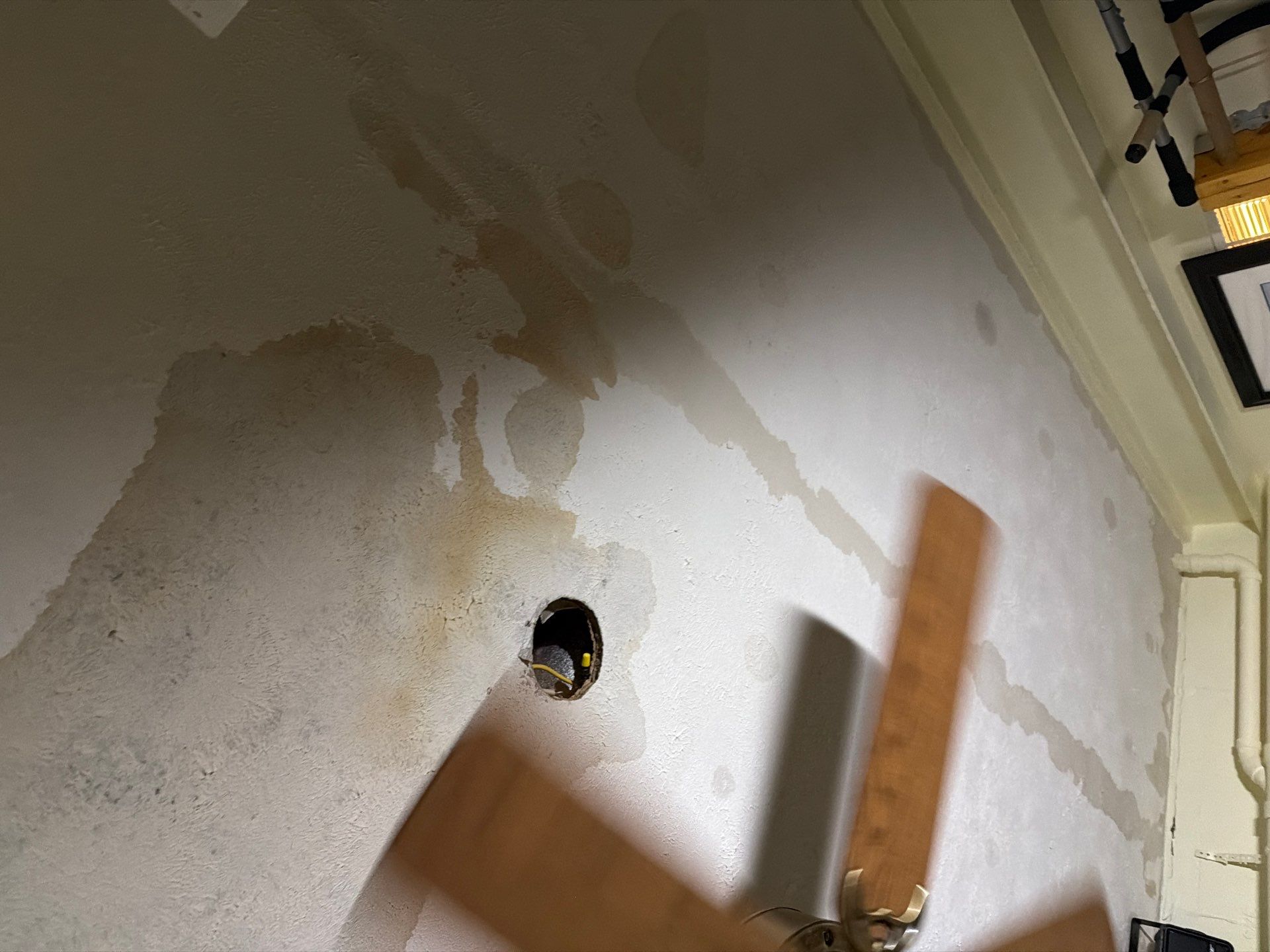
Water does not sit still. The moment it hits your floor, it starts wicking into baseboards, sliding under cabinet toe kicks, soaking into carpet pad, and traveling along the path of least resistance, which is almost never where you can see it. Within fifteen minutes, water has typically migrated two to four feet beyond the visible edge of the spill. within 2 hours, drywall has pulled moisture up the wall through capillary action, often six inches or higher, and engineered flooring has started to swell at the seams.
The other clock running against you is the microbial one. The 48 hour rule for mold growth is real, but it does not start at hour 48. It starts the moment surfaces stay wet. Every hour of delay in that first day measurably shortens the runway you have before remediation costs jump.
So the first hour has three jobs: stop the source, protect what is still dry, and get extraction moving. Everything else, including insurance photos and contractor calls, fits around those three.
There is also a hidden fourth job that most homeowners miss: stop the spread between floors. Water that reaches a second floor bathroom does not stay on the second floor. It finds the plumbing penetrations, the wall cavities behind cabinets, and the recessed light cans in the ceiling below. If you can put towels at thresholds and place a bucket under any active ceiling drip on the floor below, you preserve drywall that would otherwise have to be cut out entirely.
Hour One: Action Path vs. Wait and-See Path
The table below puts the two paths side by side. The left column is what we coach homeowners through on the phone while our crew is rolling. The right column is what we typically find when someone waited a day to call. The cost ranges reflect what we see on real Imperial Hills jobs.
| Factor | Acted Within First Hour | Waited 12 to 24 Hours |
|---|---|---|
| Source control | Main water shut off in under 5 minutes, leak isolated | Water ran until noticed, often hundreds of gallons total |
| Water spread | Contained to original room, edges visible | Migrated to adjacent rooms, subfloor, ceiling below |
| Drywall impact | Lower 6 to 12 inches affected, often dryable in place | 24 to 48 inches saturated, flood cuts required |
| Flooring outcome | Carpet pad replaced, carpet often saved; hardwood often saved | Carpet and pad removed; hardwood cupped, often replaced |
| Cabinet damage | Toe kicks dried, boxes preserved | Particleboard swelling, cabinet replacement common |
| Mold risk | Low if dry within 48 hours | High, often visible colonies at first inspection |
| Drying timeline | 3 to 5 days typical | 7 to 14 days plus remediation |
| Typical project cost | $1,500 to $4,500 | $6,000 to $18,000+ |
| Insurance friction | Strong documentation, faster claim | Possible coverage disputes over delay |
| Contents loss | Most items recoverable | Soft goods, books, low stored items often discarded |
Read that cost row again. The four to five thousand dollar gap between the two paths is not a markup. It is the literal cost of additional materials, additional labor, additional equipment days, and the remediation work that the wait and see path makes necessary. Insurance often covers both scenarios, but adjusters do scrutinize delay, and your deductible eats the same bite either way.
The contents row deserves a second look too. We routinely meet homeowners who shrugged at a wet box of photo albums on a basement floor because the structure seemed fine. Forty eight hours later, the structure is still fine and the albums are unrecoverable. Paper, leather, upholstered furniture, and wood veneer are the items most sensitive to elapsed time, and they are also the items insurance valuations rarely make whole.
What the Numbers Look Like Visually
To make the financial side concrete, here is what the same burst supply line costs to restore depending on when the homeowner picks up the phone. These ranges match what we see locally and align with the breakdowns in our complete water damage cost guide.
Applying the Comparison to Your First 60 Minutes
Knowing the gap exists is not the same as closing it. Use the first ten minutes to kill the source: main water valve at the meter or in the basement, breaker off for any electric appliance involved, and gas off if a water heater is leaking near a flame. Use minutes ten through twenty five to lift what you can: rugs off hardwood, electronics off the floor, furniture legs onto foil or blocks, boxes off basement slabs. Use minutes twenty five through forty to document with photos and video from multiple angles, including inside cabinets and under furniture, because adjusters look for that detail. Use minutes forty through sixty to call a restoration company and your insurer, in that order. The restoration call starts the equipment clock. The insurance call starts the paperwork clock.
One note specific to sewage or storm water. If the water is gray or black, the action path collapses to two steps: get people and pets out of the affected area, and call professionals. Do not try to extract Category 3 sewage yourself. The decontamination protocol is not a mop and bucket job, and the materials that have to be removed are non negotiable under S500 standards.
What Happens After You Call Imperial Hills Water Restoration
Once a Imperial Hills homeowner reaches our dispatch line, the timeline becomes predictable. We collect the address, the suspected source, and the affected square footage, then route the nearest crew, in most cases within 2 hours. While the truck is moving, the dispatcher stays on the line and walks you through the same source control and content elevation steps described above. By the time the crew arrives, the easy water has already been pushed out of the path, the highest value contents are off the floor, and the photo record is started. That preparation is worth roughly a day of drying time on the back end, which is the difference between a three day job and a five day one. The homeowners who get the best outcomes are not the ones with the newest homes or the best insurance policies. They are the ones who treated the first hour as the most important hour, because structurally and financially, it is.