Commercial Storm Damage in Imperial Hills, IN
Imperial Hills Water Restoration works the water inside the walls and floors of Imperial Hills buildings, one suite at a time.
Commercial Storm Damage in Imperial Hills, IN starts with one call to Imperial Hills Water Restoration: live 24/7 dispatch, IICRC certified response, and honest written scopes before work begins. Call (765) 436-6771.
- Service: Commercial Storm Damage for Imperial Hills homeowners
- Service area: Imperial Hills, IN and surrounding areas
- Response time: 24/7 live dispatch; emergency crews prioritized for Imperial Hills
- Licensed and insured (License #RC21100059)
- Serving Imperial Hills, IN since 2018
Commercial Storm Damage for Imperial Hills Businesses
Spring rain on saturated or frozen ground pushes runoff toward the dock doors, and a few inches of water can cross an entire receiving area. It fills the leveler pits and seeps under the dock office walls while the bottom pallet positions take it up. Imperial Hills Water Restoration clears the water from your Imperial Hills dock and dries the slab and the walls it reached.
Before extraction starts, the crew sorts the water by category and the affected materials by class, following the approach in the IICRC S500. Those two calls decide what comes out of the building and how much dehumidification the floor needs. The reasoning goes in the file for your Imperial Hills building, so the scope can be traced back to it.
Above a suspended ceiling is where most commercial storm water ends up sitting. Imperial Hills Water Restoration crews pull the wet lay in tile, bag the saturated batt or blanket insulation, and get air moving across the deck and the underside of the structure. Readings come off the gypsum and the deck itself, because dry tile over a wet deck just moves the problem a month out.
Carriers look at how fast the policyholder acted. A documented two hour dispatch, extraction the same day, and equipment running that night all show up in the file as mitigation of further loss. Imperial Hills Water Restoration timestamps the arrival, the first readings and the equipment set, and that record stays with the job whether or not it ends up in a claim at all.
If the ceiling's holding water in your Imperial Hills building, keep people out from under it and call Imperial Hills Water Restoration for a two hour dispatch. The crew pulls the wet tile and insulation and photographs what the storm reached above the grid before the scope gets written.
Signs You Need Commercial Storm Damage Restoration
If you notice any of these in your Imperial Hills building, schedule a free inspection before the issue worsens.
A tenant reporting the same leak every heavy rain, in the same corner of the same suite
Receptacles on an exterior wall that trip the breaker or show beads of moisture
A supply diffuser dripping water or showing rust streaks after a storm
Water lines on the lower walls of a dock office or receiving area
Daylight visible through a roof penetration curb or around the flashing at a rooftop unit
Carpet tile that squishes underfoot along the glass line of a storefront or window wall
Stains that start at the top floor and reappear on the same wall two floors down
Dock concrete that stays dark and cool to the touch for days after the surface water is gone
Leak sensors or pit alarms going off in a mechanical room or IT closet during a storm
Damp, darkened flooring in a band just inside the main entrance after a windy rain
How Imperial Hills Water Restoration Handles Commercial Storm Damage
We follow these steps in order on every Imperial Hills job.
Moisture Mapping
Every affected space gets walked with thermal imaging and both penetrating and nonpenetrating meters. Readings are keyed to a floor plan by room or column line, so the scope covers where the water went and leaves dry areas alone.
Water Path Check
The crew traces the water from the roof breach down through the ceiling to the floors below and photographs the path. Water that backed up out of a drain tied into a sanitary line gets handled as sewage, and that call drives the protocol.
Water Category Call
Rain that started clean can worsen in category as it sits, so the crew classifies the water as it entered and again as it has aged. That call sets which materials get cleaned in place and which come out.
Occupied Space Planning
Suites and corridors that must stay in service get marked on the plan before any equipment is staged, along with where the barriers go. The loud work is scheduled for hours when the space is empty.
Daily Readings Logged
Each day brings temperature, relative humidity and material moisture readings logged against an unaffected baseline elsewhere in the building. Equipment moves based on what the numbers show. The property manager gets the readings and the photos the same day.
Commercial Storm Damage in Imperial Hills
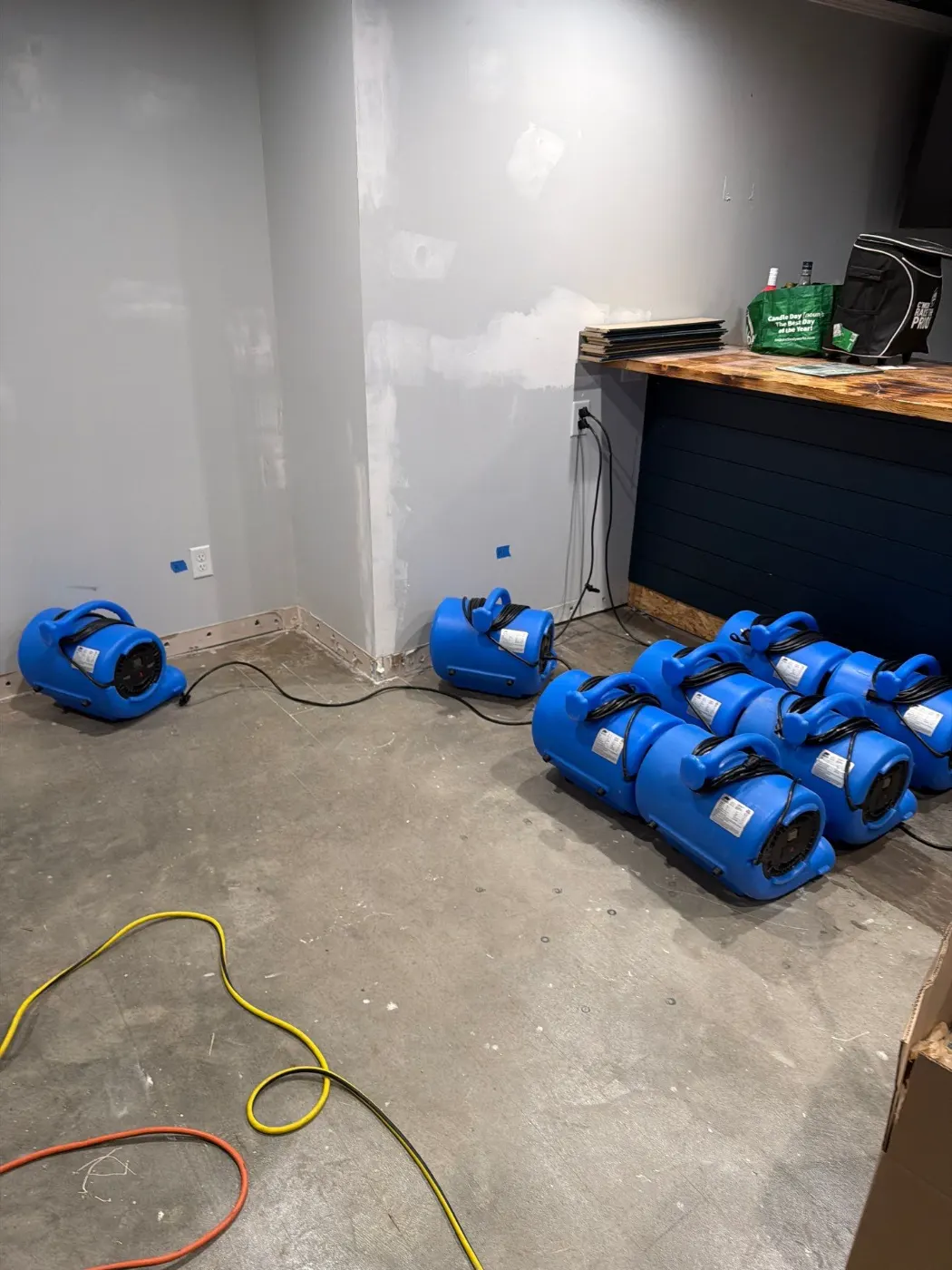
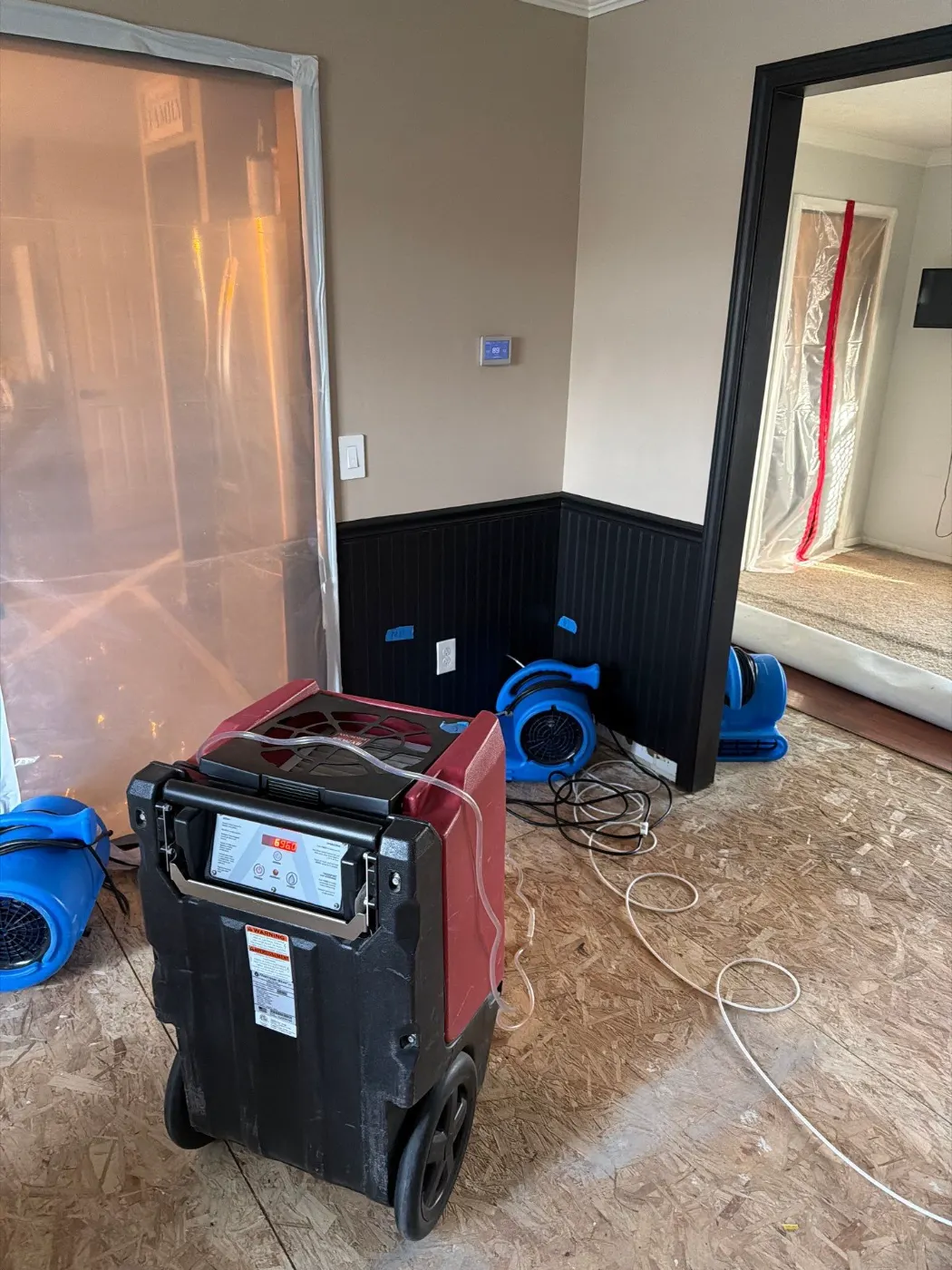
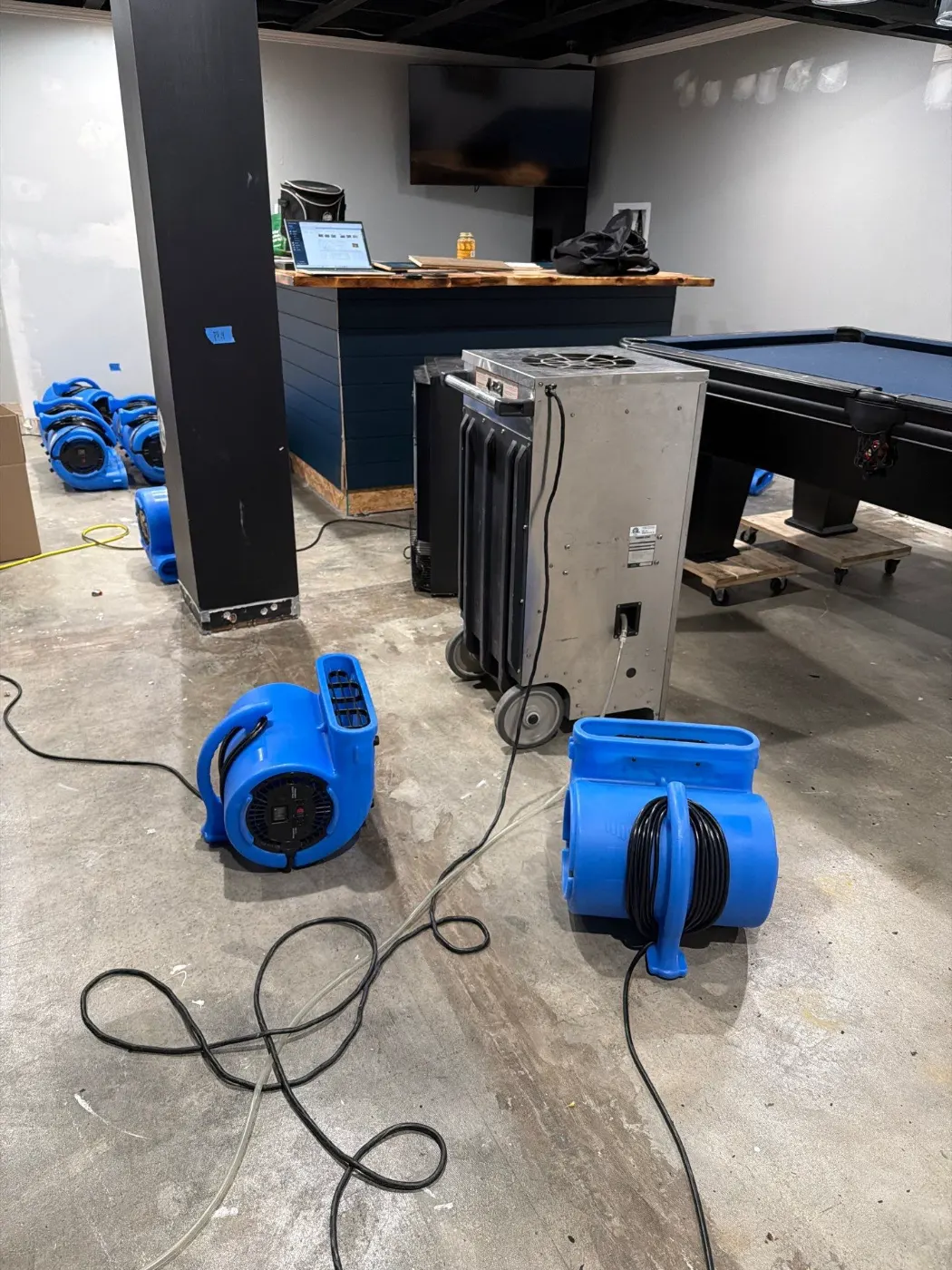
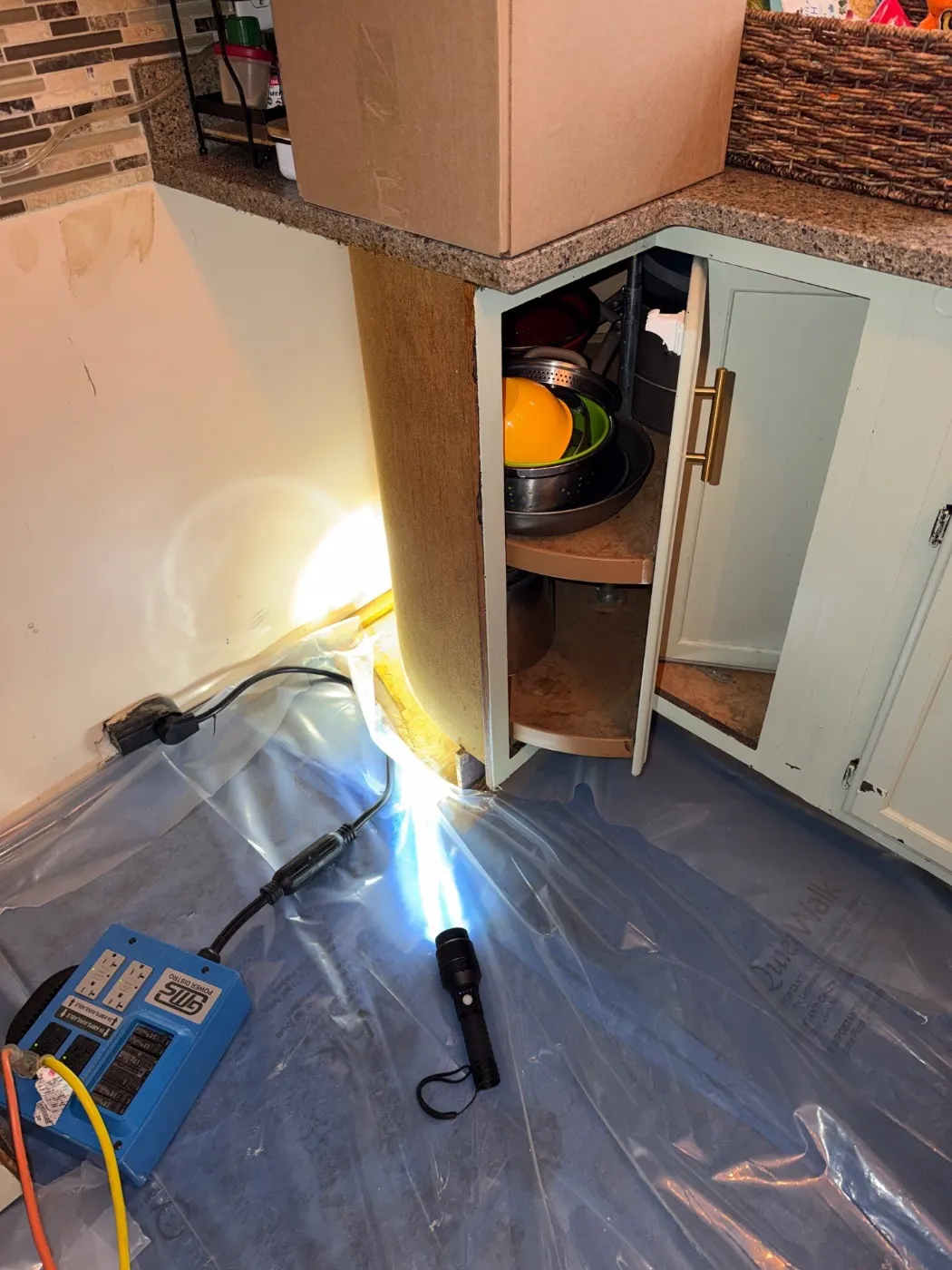
Photographs from real commercial storm damage jobs completed by our crew in Imperial Hills and surrounding areas.
Commercial Storm Damage FAQ
Questions Imperial Hills property managers ask us about commercial storm damage restoration.
Guidance and Standards for Commercial Storm Damage
- The National Weather Service office in Indianapolis posts summaries of recent central Indiana storm and flood events. NWS Indianapolis Event Summaries
- The ANSI/IICRC S500 is the published standard for professional water damage restoration. The current edition is the Fifth Edition, 2021. IICRC S500 Standard
Imperial Hills Neighborhoods We Serve
We take commercial storm damage calls in every part of Imperial Hills. Pick your neighborhood for local details.
Other Restoration Services in Imperial Hills
Imperial Hills Water Restoration handles the full scope of restoration work. Explore our other services below.
Water Damage Restoration in Imperial Hills
24/7 emergency response. IICRC certified water restoration from extraction to full dry out.
Learn more →Basement Flooding in Imperial Hills
Basement water emergencies handled fast. Extraction, drying, mold prevention.
Learn more →Sewage Cleanup in Imperial Hills
Category 3 biohazard cleanup. Full containment, decontamination, structural restoration.
Learn more →Request Commercial Storm Damage Restoration
Reach Us Directly
Our team is available 24/7 for emergencies and ready to schedule inspections during business hours.
Need Immediate Help?
For active water or mold emergencies, call us directly. We are available 24/7.